


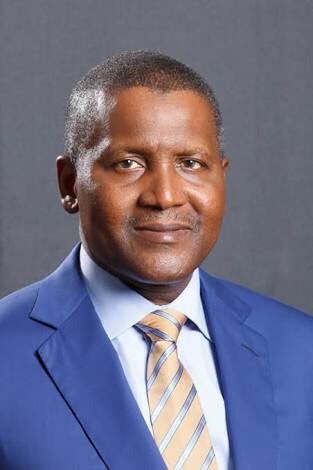
Dangote Wants To Be Known As Biggest Philanthropist, Not Africa’s Richest Man As He Lifts 25,000 Women in Niger with N10bn Micro Grant

 The Aliko Dangote Foundation has flagged off its one-off and unconditional Micro-grants programme in Niger State with 25,000 disadvantaged women as beneficiaries, bringing the total number of women beneficiaries to 256,500 across seven states of the federation.
Chairman of the Aliko Dangote Foundation, Aliko Dangote, said weekend at the flag-off ceremony held at the Justice Idris Legbo Kutigi International Conference Centre, Minna, the Niger State capital, that his Foundation had earmarked N10billion for the empowerment of vulnerable women in the 774 Local Governments in the country.
He said 1,000 women were drawn from each of the Niger state’s 25 local government areas.
The micro-grants programme is one component of the Economic Empowerment pillar of the Foundation. It provides disadvantaged and vulnerable women with a one-off, unconditional N10,000.00 cash transfer to boost their household income generation. This we believe will help reduce their vulnerability and meet their livelihood needs,” he added.

Dangote explained that since the Foundation commenced disbursement in 2012, about 256,500 women have benefitted from the programme across Kano, Lagos, Jigawa, Kogi, Adamawa, Borno and Yobe States, with a total disbursement ofN2.565 Billion so far.
He stressed: “I do not only want to be known as the Africa’s Richest Man, but the biggest philanthropist. I will continue to use my resources and my voice to help shape a better Nigeria, and Africa as a whole.”
The Foundation’s Executive Director and daughter to the Chairman, Hajiya Halima Aliko Dangote, said the Foundation was poised to help lift the status of womanhood in the country, adding: “If you empower a woman, you empower the whole nation.”
She stated that women have always bear the brunt of the harsh economic reality in the country and the Aliko Dangote Foundation reasoned that they should be the target of such critical intervention as the disbursement with the hope that the benefits will cascade down the family line with women as the maker of the home and improve the family wellbeing.


